Factory Solutions
Overview of Factory Wastewater, Exhaust Gas, and Oil Leak Treatment
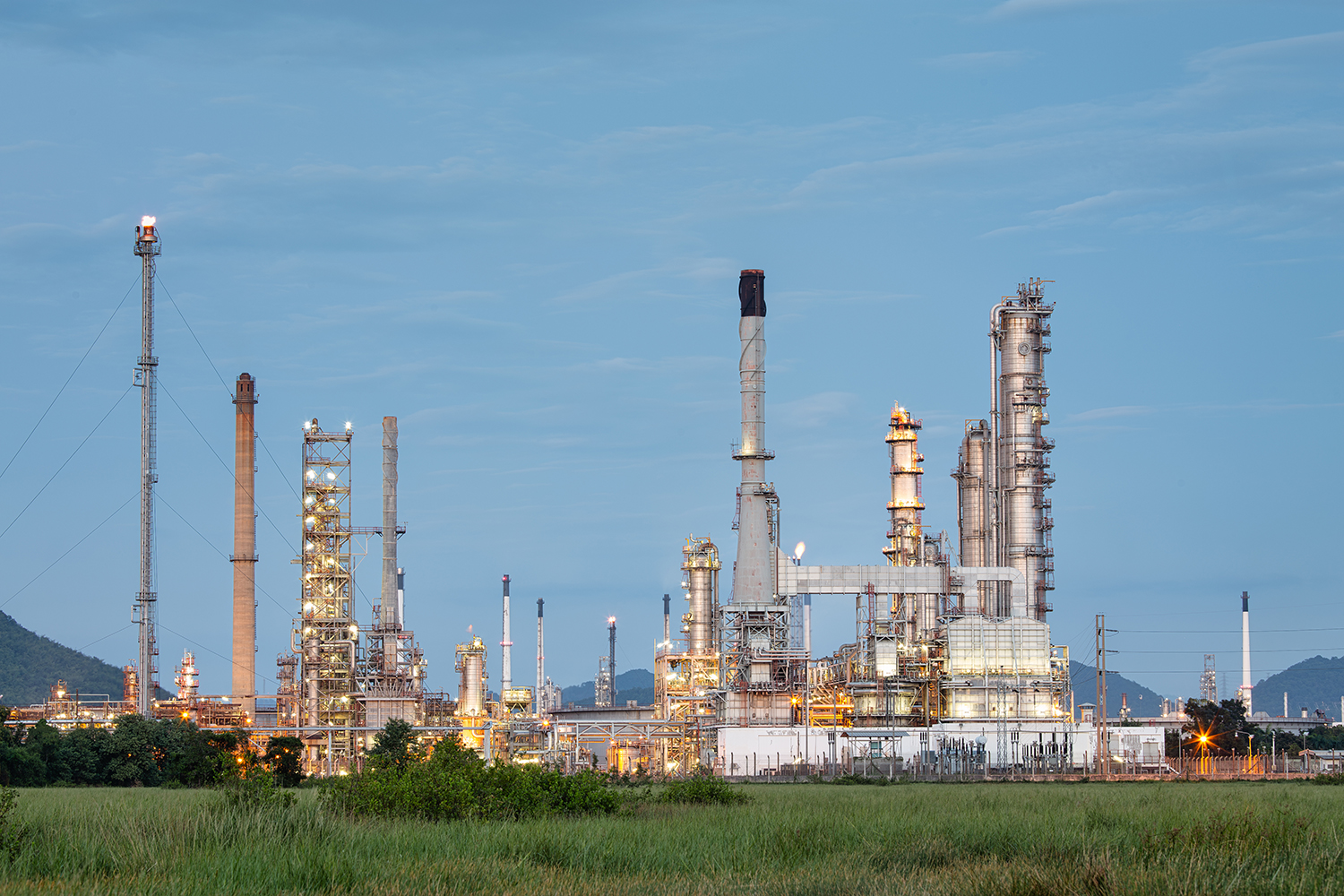
In Thailand, environmental regulations for factories have been strengthened in recent years. For example, Ministerial Regulation No. 2 stipulates detailed requirements regarding site conditions, machinery and equipment standards, occupational safety and health, and the management of wastewater, exhaust emissions, and industrial waste. As a result, factories are obligated to manage air pollution, wastewater, soil contamination, and waste properly.
In recent years, driven by the rise in illegal dumping and pollution incidents, legal revisions with a strong focus on environmental protection have progressed, including the tightening of waste management regulations (2023 amendment), measures for soil and groundwater contamination, and reinforced requirements for emission monitoring.
Our Company applies its proprietary technologies to develop a wide range of products useful in factory settings.
- Wastewater and Exhaust Gas Treatment
-
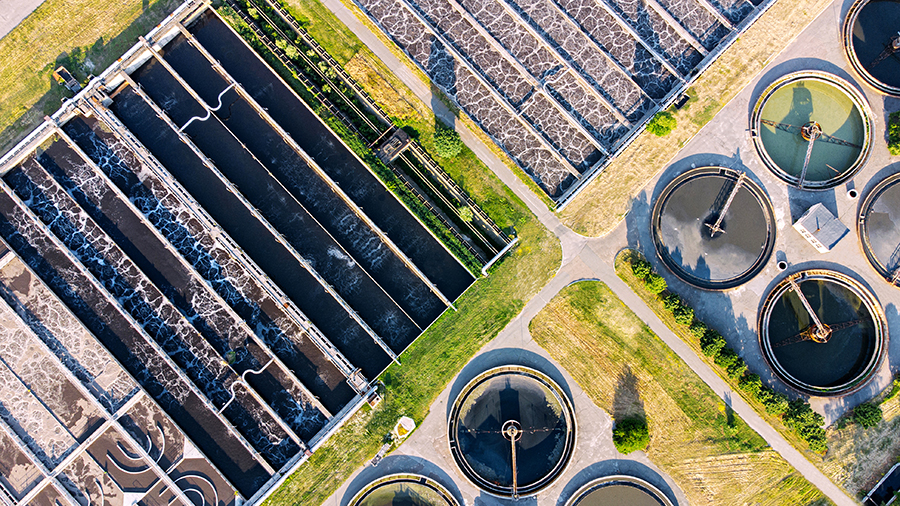
- ・ Special fiber media that removes organic matter (BOD, etc.) and suspended solids (SS) from wastewater
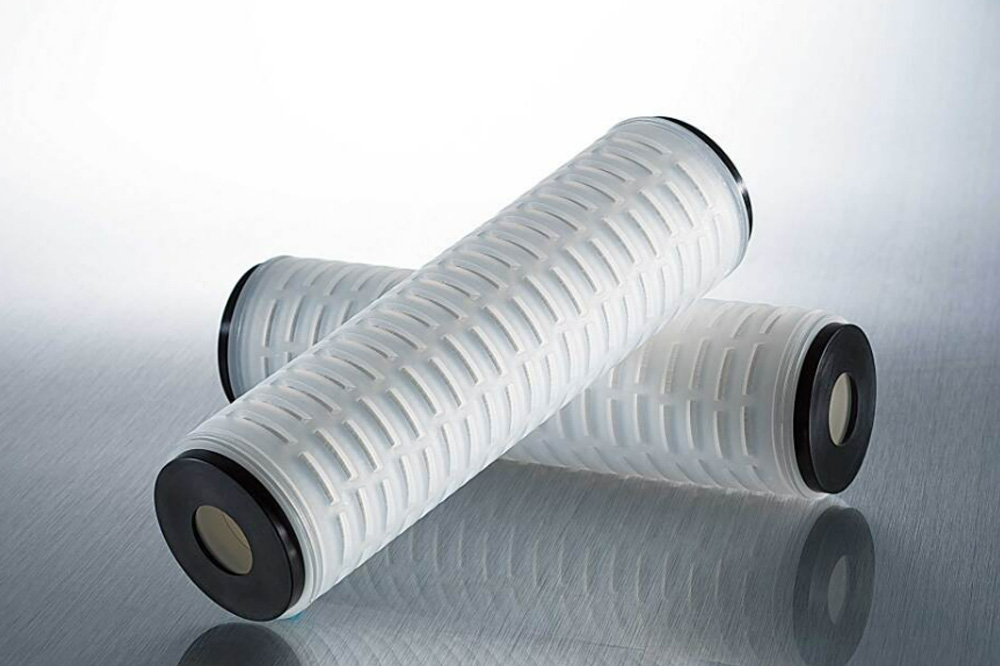
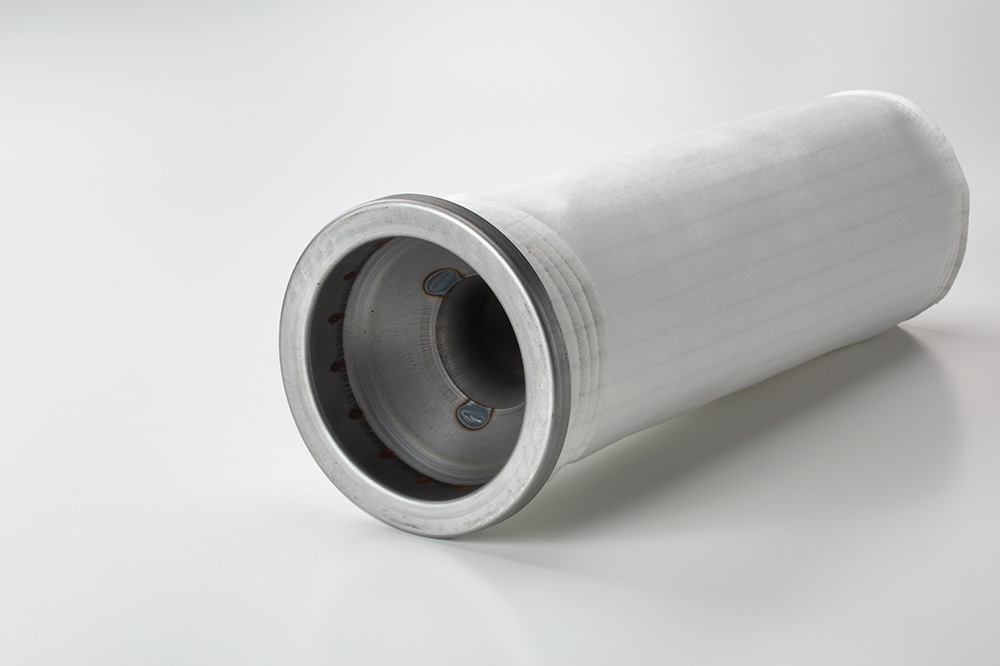
- ・ Filters and bag filters that use ultra-fine polyester fibers thinner than microfibers as filter media
- Oil Leak Treatment
-
- ・ Oil adsorbent materials that capture oil leaked from machinery and piping in factories, as well as oil residues that cause contamination

Teijin Frontier’s Strengths
Product Development Capability
Our Company applies its unique technologies and expertise to focus on developing products that are useful in factories.
Here, we highlight two key products: the “Fibrous media” for wastewater treatment, and the “Oil adsorbent nonwoven material” for oil leak treatment.
- [Fibrous media for wastewater treatment]
- A specific fibrous media made of bundled polyamide fibers. Microorganisms attached to it remove organic matter (e.g., BOD) and suspended solids (SS) in wastewater.
- • 5 Features
-
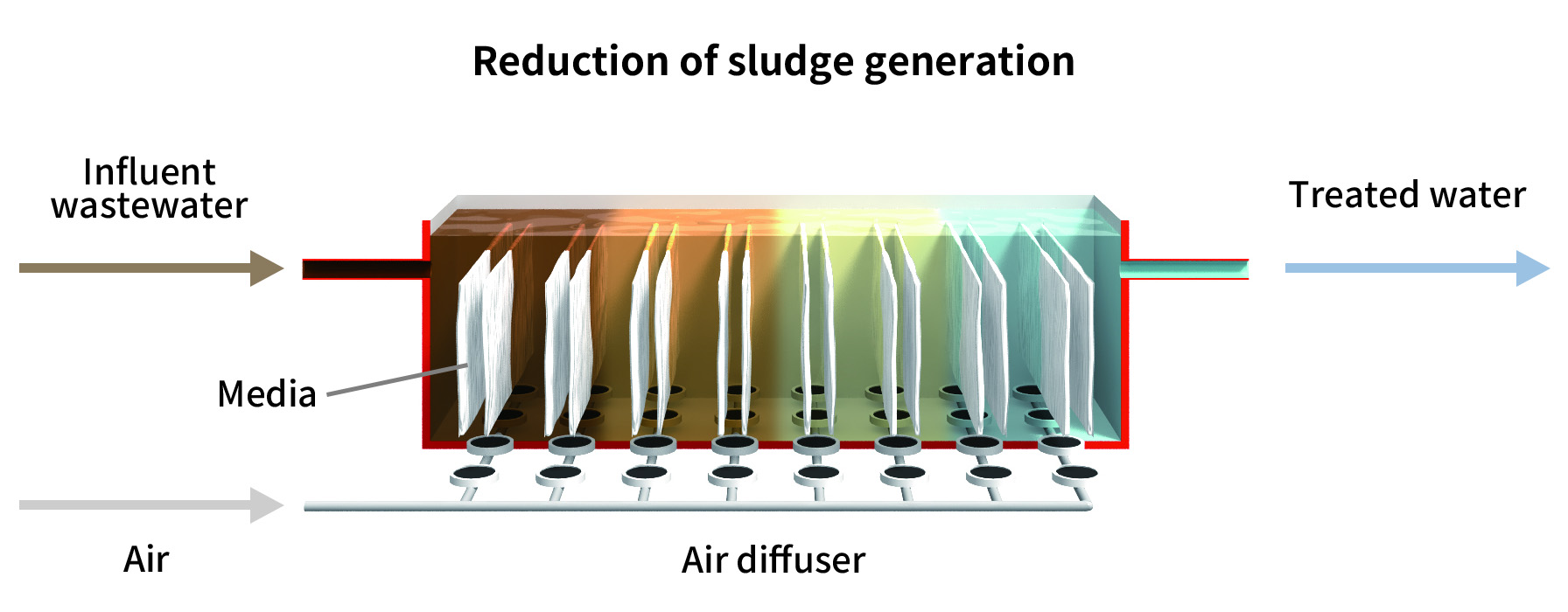
- * Reduction of excess sludge generation through food chain and self-oxidation (In case of sludge-reduction design)
- * Capable of treating high-concentration wastewater by retaining a large amount of microorganisms
- * Applicable to wastewater containing persistent organic pollutants.
*The level of biological treatability varies depending on the subject substance. - * Absorbs fluctuations in raw water concentration
- * Long life due to woven structure
- • Cases of Factory
- Design of Sewage Discharge
Depending on the wastewater properties and processing conditions, treated wastewater can be discharged directly into a sewer without the need to install a sedimentation tank.
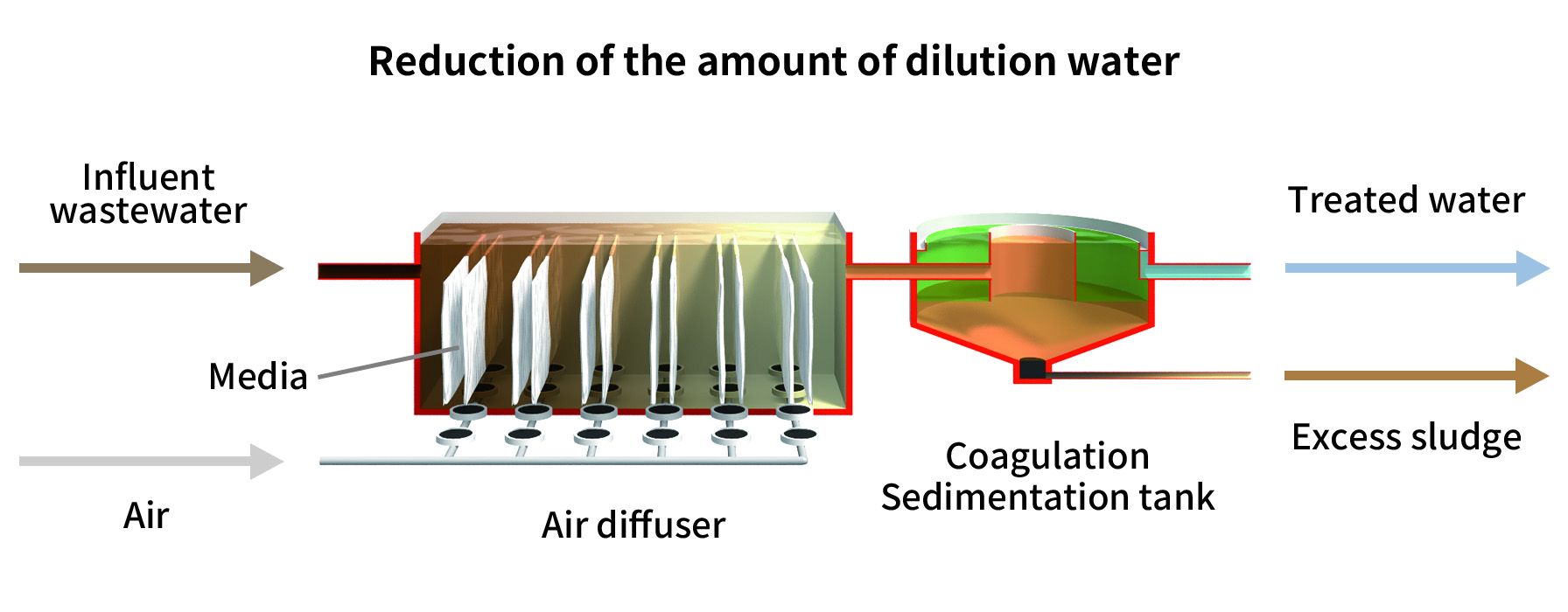
- Design of High-Load wastewater treatment
- A large number of microorganisms under specific wastewater conditions are retained on the surface of the fibrous media, enabling high-load wastewater treatment while reducing dilution water by combining with a sedimentation tank.
[Oil adsorbent nonwoven material]
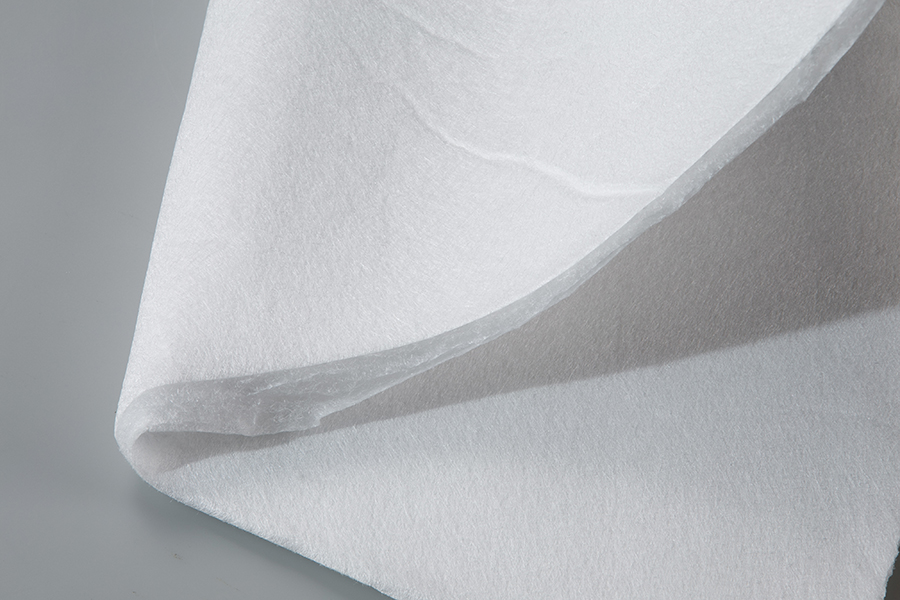
The high-performance oil absorbent nonwoven “Oil adsorbent nonwoven material” was developed in response to demand for a material that could absorb oil leaked from machinery and piping in factories, as well as oil that causes contamination.
- Key features include:
-
- * Oil absorption capacity of approximately 20–25 times its own weight for heavy oil, machine oil, etc.
- * Selective absorption of oil without taking in water
In addition to factory oil leak cleanup, it is also used in restaurants and other facilities. In 2020, when a cargo ship ran aground off Mauritius and spilled large quantities of oil into the sea, our Company donated our "Oil adsorbent nonwoven material" to the Government of Mauritius, where it efficiently absorbed the spilled oil.
By focusing on current environmental challenges, we continue to research and develop innovative products.

Main Products
Dehydration aid
A special fiber for sludge dewatering.
Its water-channeling effect greatly improves dewatering efficiency, reducing industrial waste volume by approximately 21%* and lowering heavy oil consumption, thereby reducing CO, emissions by approximately 32%*.
*Based on measured and calculated values; not guaranteed.